
Clearer thinking
Readers are helped to distinguish between observable science, historical interpretation, philosophical assumptions, and cultural messaging.
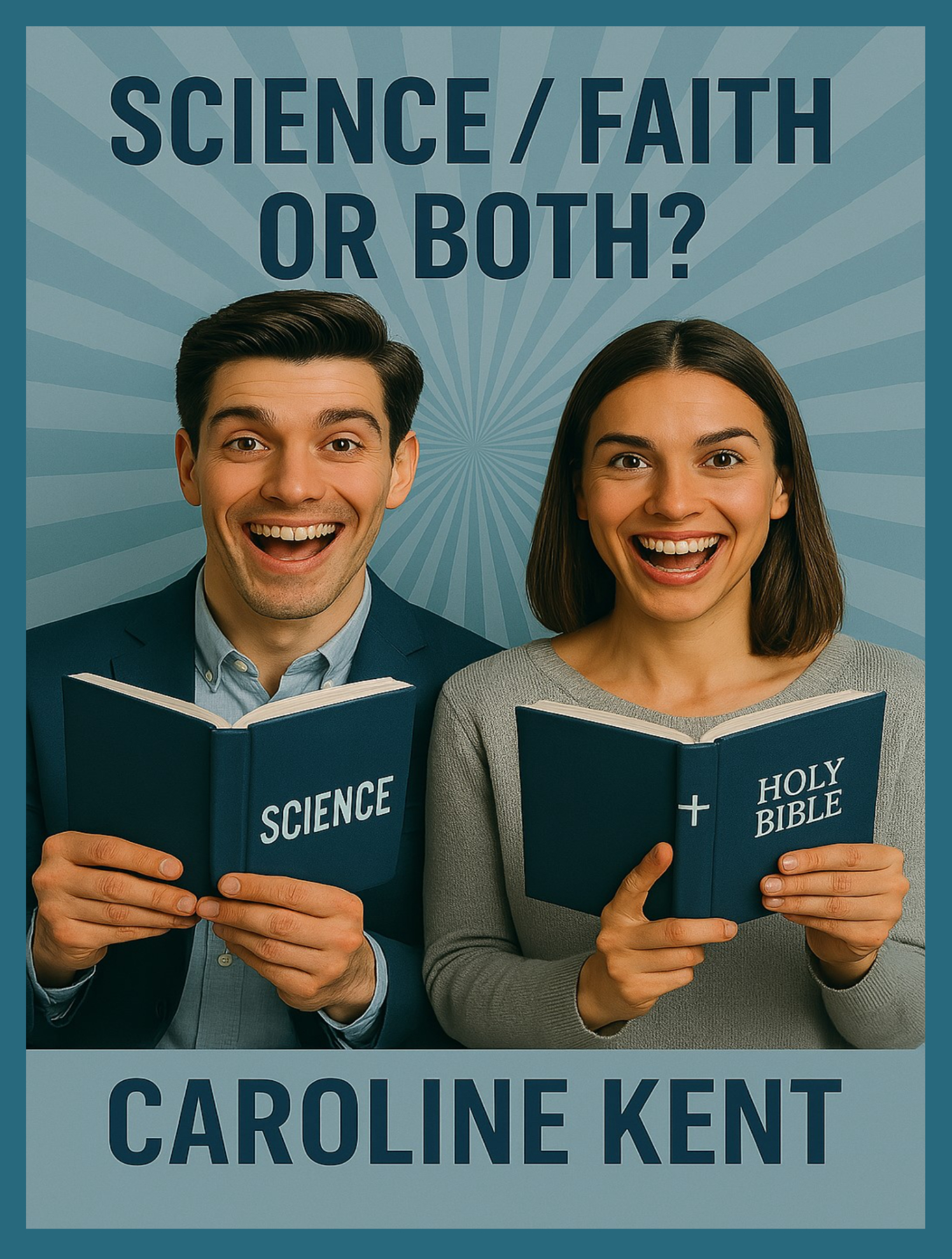
A calm, clear, and engaging book to help young people think honestly about science, faith, truth, and the reliability of the Bible, without feeling they must choose between intellectual seriousness and trust in God.
Many young people are quietly absorbing the message that real science has disproved the Bible, that faith belongs to private feelings, and that Christianity cannot stand up to serious questions. This book is written to help them slow down, think carefully, and see that many confident claims rest on hidden assumptions, selective storytelling, or a narrow definition of what counts as truth.
This is not a shouty book. It is designed to help readers ask better questions, spot worldview assumptions, and think with greater clarity and confidence. It aims to strengthen rather than browbeat, and to invite careful reflection rather than panic.
This resource is especially helpful for those who want to equip young people to think Christianly in a culture where science is often presented as the enemy of faith.
Readers are helped to distinguish between observable science, historical interpretation, philosophical assumptions, and cultural messaging.
The book aims to steady those who feel intimidated by confident anti-Bible claims, showing that Christians need not abandon either honesty or courage.
It works well for one-to-one use, family discussion, youth group study, school support, and wider church teaching contexts.
The book explores major questions young people often meet in school, online, and in wider culture, helping them see where the real points of tension lie.
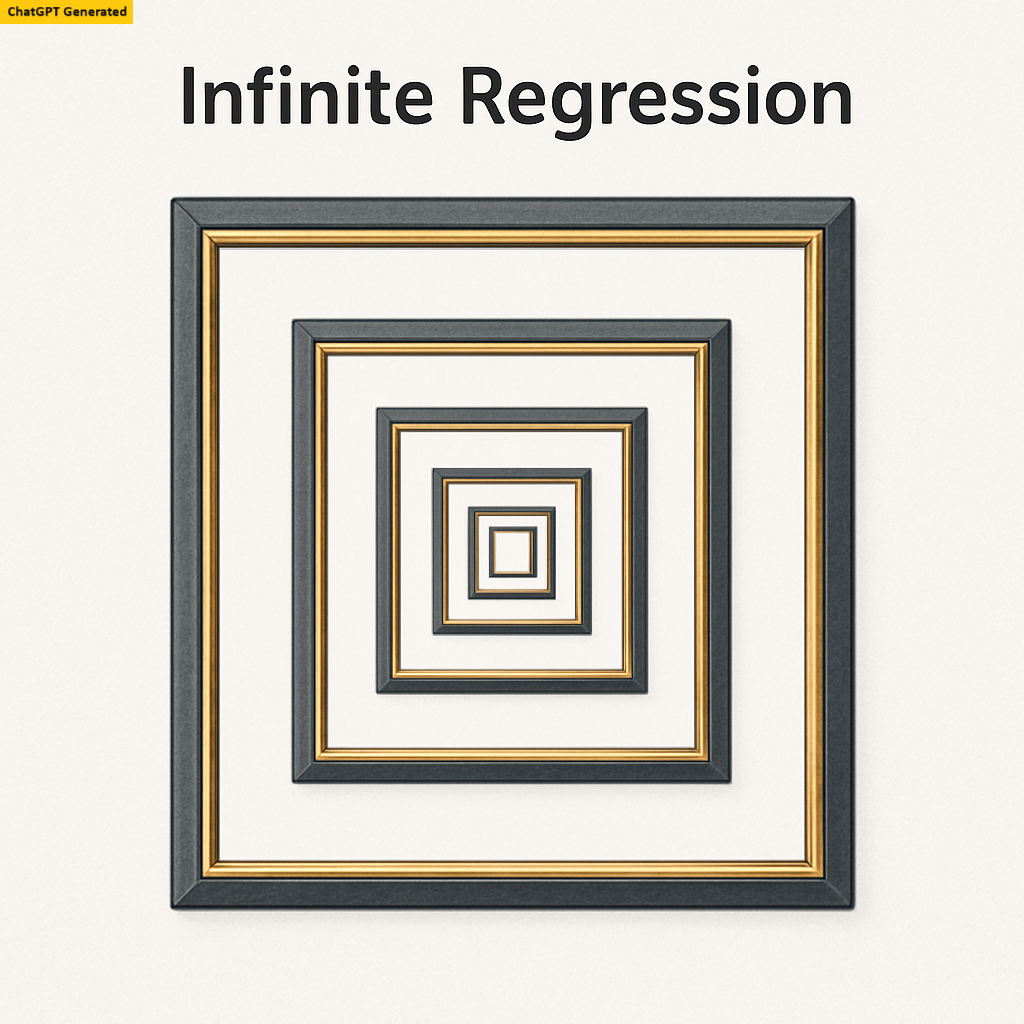
Where did everything come from, and what assumptions are already being made before the evidence is interpreted?
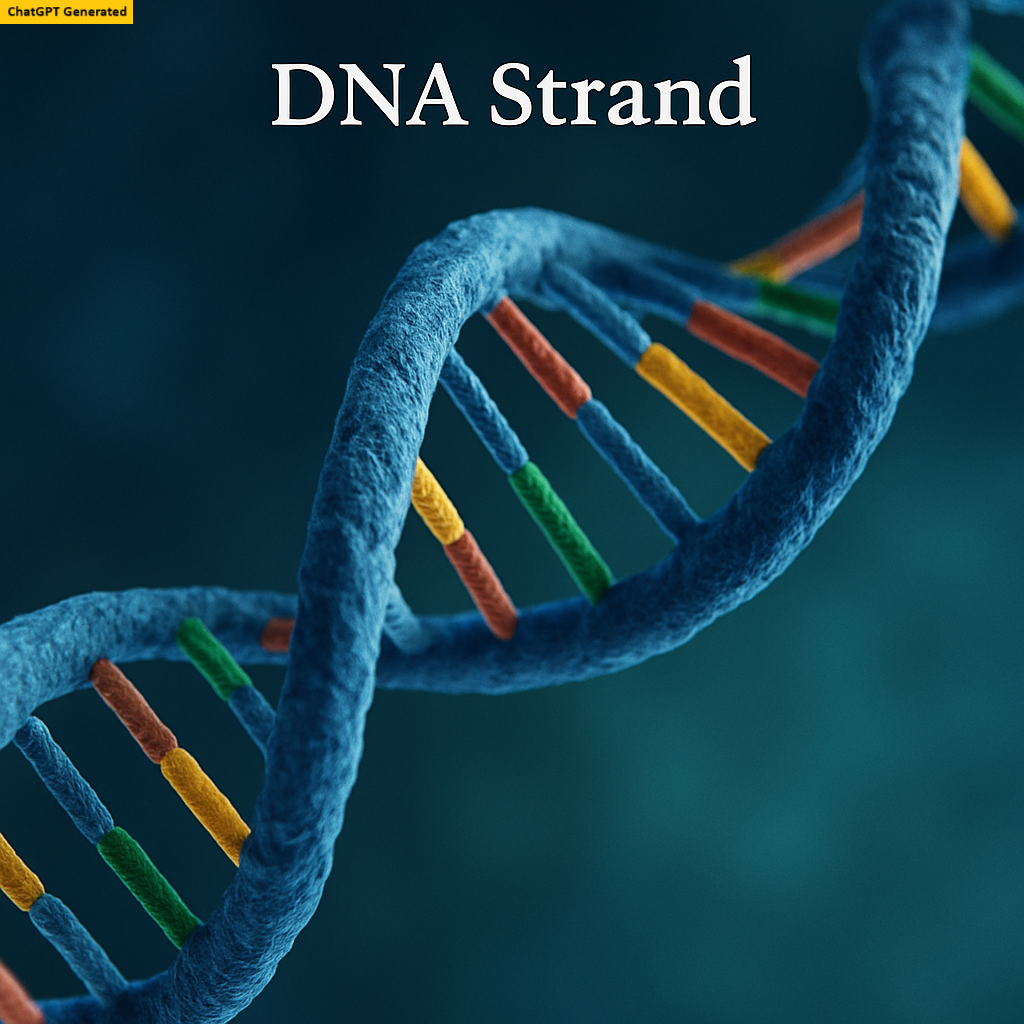
Questions of information, design, complexity, and whether matter alone can account for the ordered world we see.
Why Scripture deserves serious hearing, and why dismissing it too quickly may be less rational than many suppose.

How worldviews shape readings of time, history, catastrophe, and the story we tell about the earth.
How to recognise loaded language, selective framing, and the importance of asking what a claim assumes, not just what it asserts.
Because the eBook may be shared after purchase, the book is especially useful for church discussion, youth work, and educational settings.
When you buy the printed book, you may also share the eBook in family, youth group, church, or teaching contexts. That makes it far more than a private read. It becomes a practical discussion tool.
The writing does not rely on bluster. It aims to help readers think more deeply, notice assumptions, and grow in confidence that truth does not fear scrutiny.
Reader Review: "In the book Science/Faith or Both?, the author shows how, while a purely scientific and worldly viewpoint differs to the Christian faith and the teachings of the Bible, science and faith can actually work together harmoniously and logically, pointing to an intentional Creator. In particular, I found the chapter in which irreducible complexity, particularly linked to DNA, interesting. I would definitely recommend this book to anyone who is curious about how faith and science can be compatible."
Sarah, aged 16
Reader Review: "Thanks Caroline, my son and I can now examine the claims his science teacher made about Evolution being 'proven' with some calm and supported arguments."
Clare, mother of a teen
No. It is especially aimed at helping young people, but many adults find it useful because it clarifies the wider issues in a simple, readable way.
Yes. One of the strengths of the book is that one purchased print copy includes a shareable eBook for wider teaching and discussion use.
No. The tone is thoughtful and accessible. The aim is to help readers think more clearly, not simply to win arguments.
Science / Faith or Both? is designed to help readers face difficult questions with calmness, honesty, and greater confidence. If you want a resource that can serve both as a personal read and as a reusable teaching tool, this book offers excellent value and lasting usefulness.
We do not strengthen Christianity by loosening our grip on Genesis. If the opening chapters of Scripture are treated as something less than trustworthy history, the foundations beneath the gospel begin to shift. Genesis matters because it tells us what kind of world we are living in, what has gone wrong, and why we so desperately need Christ.
Many people speak as though the safest way to defend Christianity today is to make peace with modern scepticism by treating Genesis as poetic, symbolic, or spiritually suggestive rather than historical. Yet that approach does not make the Christian faith safer. It makes it shakier. The issue is not whether Genesis is majestic, richly theological, and full of profound meaning. Of course it is. The issue is whether it is also telling us what truly happened. If it is not, then our understanding of sin, death, judgment, redemption, and even the work of Christ begins to blur.
Genesis is not a disposable preface to the Christian faith. It is the God-given foundation that explains creation, the Fall, the curse, and the first promise of redemption. If we loosen the beginning, we make it much harder to understand the rest.
The Christian faith is not built upon uplifting sentiments, moral ideals, or private religious experience alone. It is rooted in what God has actually done in history. The Lord truly created the world. Man was truly made by Him. Our first parents truly rebelled. Sin truly entered the world. Death truly followed. And, in the fullness of time, Christ truly came, truly died, and truly rose again. Christianity stands or falls upon the truthfulness of God’s acts in history.
That is why Genesis matters so much. It gives us the beginning of the story into which the gospel speaks. Without a real creation, a real fall, and a real curse, the message of redemption becomes strangely disconnected. We may still use Christian language, but it no longer rests upon the same solid ground.
One of the greatest dangers of dismissing the historicity of Genesis is that Adam becomes little more than a literary figure. But if Adam is not real, then what exactly are we to make of the Fall? Sin begins to look less like rebellion against a holy Creator and more like an unavoidable stage in human development. Death begins to appear normal, rather than the dreadful wages of sin. Suffering begins to look like part of the world exactly as God originally intended it, rather than part of the misery that followed man’s disobedience.
Yet the gospel addresses us as fallen creatures in a fallen world. It tells us not simply that we are bruised and in need of encouragement, but that we are sinners, guilty before God, under judgment, and unable to save ourselves. We do not merely need inspiration. We need reconciliation. We need atonement. We need a Saviour. Once the entrance of sin into the world is turned into symbol or saga, the gospel itself becomes less clear.
Our age often treats death as natural, ordinary, and even useful in the supposed progress of life. But Genesis teaches us to see death differently. Death is an enemy. It is not part of the goodness of the original creation as it came from the hand of God. It is bound up with sin and judgment. That truth matters deeply, because the Bible presents Christ not merely as a comforter in the face of life’s natural cycle, but as the conqueror of death itself.
If death has always been normal, woven into creation before sin, then the link between sin and death is weakened. But if Genesis is true history, then we understand why death wounds us so deeply and why the resurrection of Christ is such glorious news. He came into the very world that man had ruined, bore the curse brought in by sin, and triumphed over the death that entered through man’s rebellion.
The opening chapters of Scripture are not only about the world’s beginning, but about our identity. They teach us that we are not accidents, not cosmic leftovers, not the by-product of blind and purposeless forces. We are creatures made by God, in the image of God, for the glory of God. That gives immense dignity and meaning to human life.
This is no small matter. In a confused and restless age, Genesis tells us who we are before the world begins to redefine us. It tells us that our lives are not meaningless. It tells us that human worth is real. It tells us that our embodied existence is not random. It tells us that marriage and family are rooted in divine design, not in shifting social fashion. Once the historicity of Genesis is neglected, these truths are more easily recast as religious reflections rather than as realities grounded in God’s acts.
The gospel does not first appear in the New Testament. It begins to dawn in Genesis itself. As soon as sin enters, God speaks hope. The promise concerning the seed of the woman who would bruise the serpent’s head is not a decorative detail. It is the first gospel note in Scripture. From that point onward, the Bible unfolds one united history of creation, fall, promise, covenant, redemption, and final restoration.
If Genesis is detached from real history, that unity is weakened. The Lord Jesus Christ is presented in Scripture as the second Adam because the first Adam was real. He comes to undo what Adam brought in. He bears the curse because the curse is real. He secures life because death is real. The Bible’s great storyline depends upon the truthfulness of its beginning.
There is also a pastoral concern here. When Genesis is treated as doubtful, elastic, or culturally embarrassing, believers are quietly trained to distrust the plain sense of Scripture at the very opening of God’s Word. And doubt rarely stays neatly contained. Once we begin to think that the Bible does not really mean what it appears to say about creation, the fall, and the flood, we may start wondering where else it might not mean what it says.
Sooner or later, the troubled soul may ask, if the beginning is negotiable, why not the judgment to come, or the miracles of Christ, or the bodily resurrection? The Christian’s security is not found in answering every objection perfectly, but in resting upon the truthfulness of God’s Word. We need to know that Scripture is true from the beginning.
Some treat the historicity of Genesis as a secondary matter with little consequence. But in truth it touches creation, human identity, sin, death, marriage, suffering, judgment, the need for redemption, and the work of Christ. That does not mean every believer must become a scientific specialist. But it does mean we should recognise what is at stake when the early chapters of Scripture are quietly surrendered.
Genesis is not a disposable preface. It is the God-given foundation upon which the gospel stands in all its clarity and glory. When we receive Genesis as true history, we are not clinging to stubborn traditionalism for its own sake. We are safeguarding the coherence of the whole Bible and the comfort of the Christian soul.
If Genesis is not history, then sin becomes vague, death becomes normal, identity becomes unstable, and the work of Christ becomes harder to explain in its full biblical richness.
If Genesis is true history, then the gospel shines more brightly. We understand what has gone wrong, why death is so grievous, why Christ had to come, and why the Bible speaks with one coherent voice from beginning to end.
When we stand upon the truthfulness of God’s Word from the very first page, the gospel becomes more coherent, not less. The God who truly created is the God who truly spoke, truly judged, truly promised, and truly sent His Son to save.
A free monthly email with help from the Psalms, practical wisdom from Proverbs, encouragement in our identity in Christ, and comfort from knowing God through His attributes.
Subscribe to Biblical Encouragement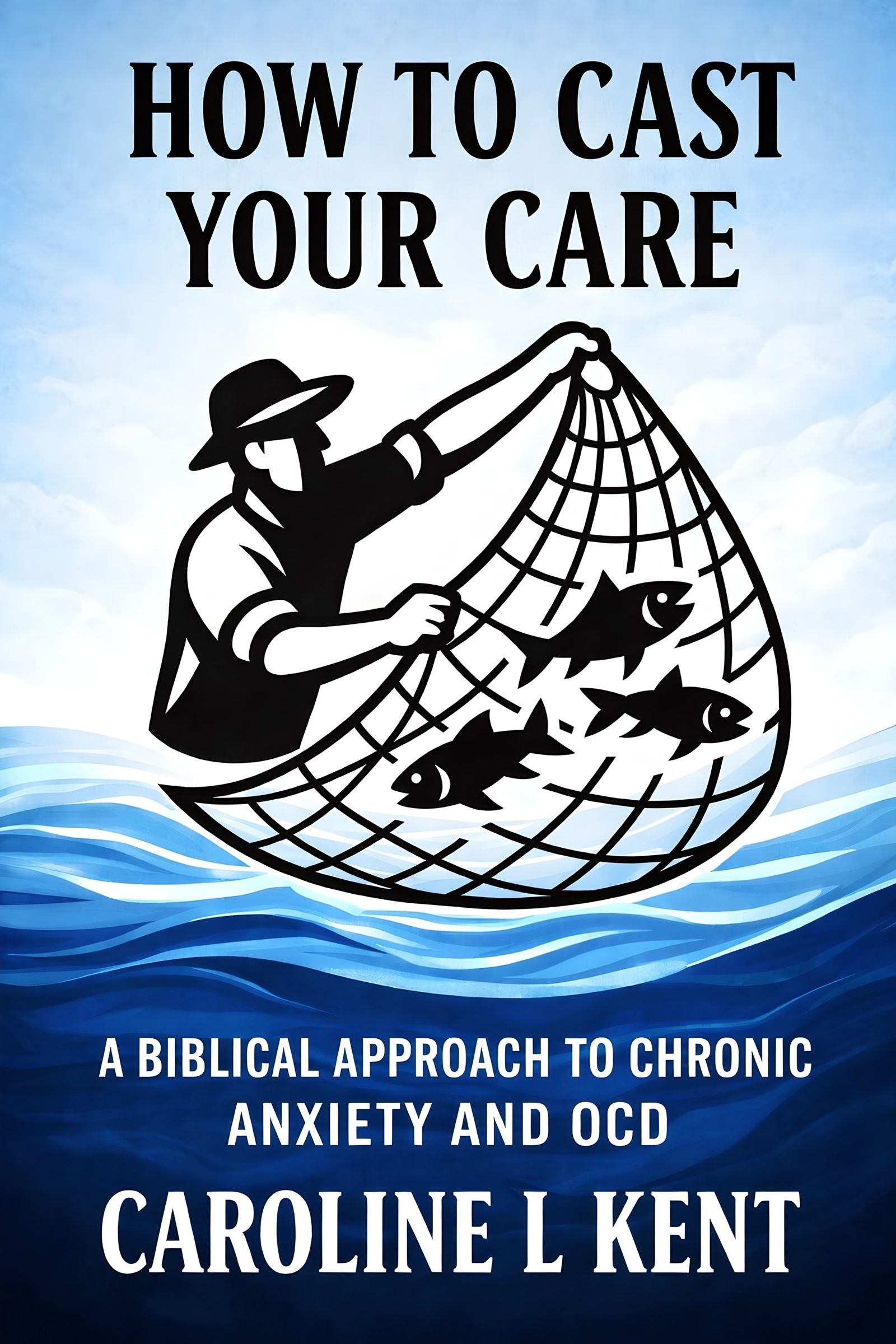
Biblical help for chronic anxiety, intrusive thoughts, OCD, and scrupulosity.
View book → Helping young people think clearly about science, faith, truth, and the Christian worldview.
View book →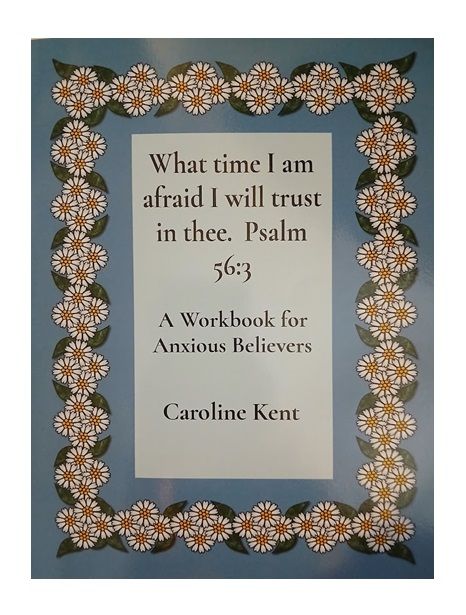
A gentle biblical workbook for anxious believers, with Scripture, reflection, and prayerful trust.
View workbook →