
Children & Young People
Matthew 19:14
But Jesus said, Suffer little children, and forbid them not, to come unto me: for of such is the kingdom of heaven
Children & Young People
5-18
Biblical Counselling for Children: Supporting Young Hearts with God’s Word
Children, even those growing up in homes dedicated to serving the Lord, can face unique challenges. Stress, anxiety, difficult thoughts, and habits can arise from the trials of life in a fallen world. At Counselling with Caroline, I am committed to helping children navigate these struggles through the life-transforming truth of God’s Word.
Helping Children Overcome Fears and Phobias
From a young age, children may experience fears and phobias that can significantly impact their daily lives. These challenges are often hard for families to address alone. Through biblical counselling, I work with children and their families to address these fears with practical and Scriptural strategies. Drawing from my experience in working with children, I focus on equipping them with godly perspectives, teaching them to lean on the Lord, and helping families foster a safe and nurturing environment that encourages faith and trust in God’s providence.
Building Healthy Emotional Habits
Children are in a critical phase of emotional development, and difficult-to-shift habits or coping mechanisms can easily become ingrained if left unaddressed. My goal is to help families guide their children in managing emotions biblically, so they can develop godly habits that will serve them well throughout their lives. Whether a child is struggling with anger, fear, or unhealthy thought patterns, biblical counselling provides tools rooted in Scripture to help them grow in self-control, wisdom, and faith.
Navigating Anxiety and Stress in a Fallen World
Life in a fallen world can be stressful, even for young children. Academic pressures, family dynamics, and social challenges can lead to anxiety and thoughts they find difficult to handle. With a gentle and empathetic approach, I help children bring their concerns to the Lord and rely on His promises. By incorporating biblical truths and practical techniques, children learn to face life’s challenges with resilience and trust in God’s care.
Supporting Families and Churches
I understand that families and churches deeply desire to support the children in their care but may feel ill-equipped to address emotional or behavioural difficulties. Biblical counselling bridges this gap by providing a framework for addressing these challenges in a way that honours God. I work closely with parents and caregivers, offering guidance and encouragement to help them disciple their children through difficult seasons.
Why Choose Biblical Counselling for Children?
Biblical counselling stands apart from secular methods by addressing not just external behaviours but the heart’s root issues. God’s Word speaks to every area of life, offering children and families hope and practical solutions for real change. By pointing children to Christ as their ultimate source of comfort and strength, biblical counselling provides a foundation for lifelong trust in God.
If your child is facing challenges that seem overwhelming, or if your family needs support in helping them navigate life’s difficulties, I invite you to consider biblical counselling. Together, we can seek the Lord’s wisdom, find strength in His promises, and equip your child to grow into the person God has called them to be.
For more information or to book an initial consultation, please click the 'Book an Appointment' button below.
Let's Talk
Counselling Children and Young People: Using Drawing, Metaphor, Teaching, and Emotional Development
Counselling children and young people within a biblical and Reformed Christian framework is a delicate and vital work. It requires patience, creativity, and a steadfast commitment to God’s Word. Since children often lack the ability to verbalise their inner struggles, we seek ways to help them explore their emotions while anchoring their hearts in biblical truth. Drawing, storytelling, and teaching are powerful tools in this process, all guided by a reverence for the LORD and careful avoidance of any visual depictions of the divine.
1. Drawing as a Tool for Expression and Connection
Drawing provides children with a ‘safe space’ to express their emotions when words fail. It is a window into their inner world, enabling the counsellor to better understand their fears, sadness, or confusion.
- Externalising Feelings: A child might draw a storm to represent their fears or a small figure standing alone when feeling isolated. These images help identify the emotions they struggle to articulate.
- Biblical Imagery: We can encourage children to draw scenes from creation—mountains representing God’s strength (Psalm 121:1), a mighty tree representing stability (Jeremiah 17:8), or a safe house symbolising the refuge we find in God (Proverbs 18:10).
- Anchoring Emotions to Truth: A fearful child might sketch a storm and, beside it, a lighthouse representing God’s guiding Word (Psalm 119:105). The focus remains on the biblical concepts of safety, strength, and guidance, avoiding any imagery of God Himself.
This method gives visual form to their emotions while pointing to God’s character as revealed in Scripture, all without infringing upon the holiness of His image.
2. Metaphor: Communicating Heart Truths
Children resonate deeply with stories and images drawn from everyday life and Scripture. Metaphors speak to their imaginations, helping them grasp spiritual realities.
- The Good Shepherd: We speak of Christ’s tender care, explaining how shepherds protect and lead their sheep (John 10:11), but without visualising Christ. We might discuss how sheep feel safe near their shepherd and how we, too, can trust God’s presence.
- A Strong Tower: Drawing on Proverbs 18:10—“The name of the Lord is a strong tower: the righteous runneth into it, and is safe”—we ask a child to describe or draw a tower, exploring what ‘safety’ feels like.
- Roots and Growth: Using Jeremiah 17:7-8, we explain how a tree planted by water grows strong. Children may sketch trees with deep roots to reflect the stability we gain when trusting in the LORD.
These pictures are never representations of God but symbols drawn from Scripture and creation, which children can revisit in their minds when feeling anxious or afraid.
3. Teaching: Laying Foundations of Truth
Emotional stability is rooted in knowing God as He reveals Himself in Scripture. Teaching biblical truths helps children interpret their feelings through a God-centred lens.
- Who is God? We teach that God is holy, powerful, and loving (Exodus 34:6-7), and that He is near to those who call upon Him (Psalm 145:18). These truths replace the uncertainties that fuel anxiety.
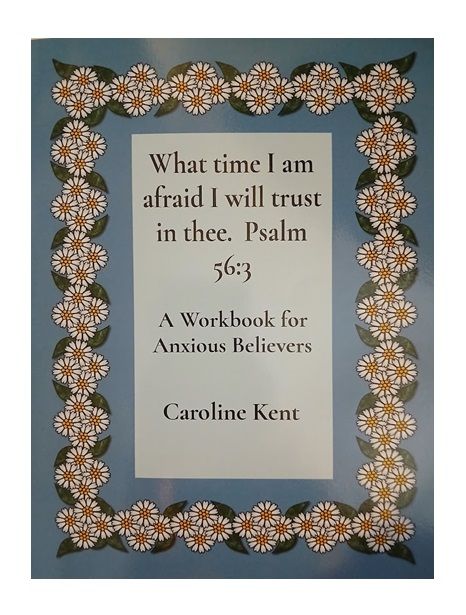
- Scripture Memorisation: Short, comforting verses like Psalm 56:3—“What time I am afraid, I will trust in thee”—become anchors in the child’s heart. Writing or decorating these verses creatively reinforces their permanence.
- Understanding Emotions: We show children that the Bible speaks to their feelings. David was afraid (Psalm 56:3), Elijah felt exhausted (1 Kings 19:4), and Jesus welcomed those who were weary (Matthew 11:28). These stories affirm that emotions are not sinful but should lead us to God in prayer.
Teaching is woven naturally into the counselling process, helping children connect their experiences to the unchanging truth of God’s Word.
4. Emotional Development: Naming Feelings, Renewing Minds
Children often feel overwhelmed because they cannot identify or manage their emotions. Helping them develop emotional awareness is crucial.
- Naming Emotions: Using simple tools like ‘emotion faces’ or colour charts, we encourage children to identify their feelings—fear, anger, sadness, joy—validating their experiences while guiding them to biblical responses.
- Connecting Emotions to God’s Promises: For example, when a child feels lonely, we read Deuteronomy 31:8—“He will not fail thee, nor forsake thee.” They learn that emotions are not final; God’s promises are.
- Replacing Lies with Truth: Children often believe, “I’m bad,” or “No one loves me.” We help them confront these lies with Scripture: “I am fearfully and wonderfully made” (Psalm 139:14). They may write these truths on ‘truth cards’ to keep with them as reminders.
This process cultivates discernment, enabling children to challenge anxious thoughts with the sword of the Spirit (Ephesians 6:17).
Practical Example: “The Storm and the Lighthouse”
Child’s Fear: A child struggles with nightmares and fear of being alone at night.
- Drawing: We encourage them to draw the ‘storm’—dark clouds, wind, rain.
- Metaphor: We discuss how sailors rely on a lighthouse during storms. The lighthouse represents God’s Word—steadfast and guiding.
- Teaching: We read Psalm 119:105—“Thy word is a lamp unto my feet, and a light unto my path.”
- Emotion Naming: We ask, “How do you feel in the storm?” They might say, “Scared, small.” We affirm these feelings, then point them to the ‘light’ of God’s presence.
- Truth Card: The child writes out Psalm 56:3 and decorates it, keeping it under their pillow as a reminder when fear returns.
This layered approach equips the child to face future anxieties with biblical truth.
Final Encouragement:
Counselling children is a work of sowing seeds. Each drawing, metaphor, and Bible verse lays a foundation for resilience and faith. We guard against idolatry by keeping God’s glory central and relying on His self-revelation through His Word. The goal is not merely emotional ease but growing in the knowledge of the Holy One, so that when trials come, they may say with the psalmist:
"In the day when I cried thou answeredst me, and strengthenedst me with strength in my soul" (Psalm 138:3 KJV).
Our confidence is that these truths will take root in their hearts and grow, under the tender care of the Good Shepherd.
Key Scriptures for Counselling Children:
- Psalm 56:3 – Trusting God in fear.
- Psalm 119:105 – God’s Word as a lamp.
- Proverbs 18:10 – God as our strong tower.
- Isaiah 40:11 – God’s gentle care for His lambs.
- Jeremiah 17:7-8 – Trust in God as roots by the water.
- Matthew 11:28 – Christ’s invitation to the weary.
In every approach, we rest on the sufficiency of Scripture and the gentle leading of the Holy Spirit to point children to the God who “will not fail thee, nor forsake thee” (Deuteronomy 31:8 KJV).