
Marriage is covenantal
It involves solemn promises, faithful love, and accountability before God.
A biblical, compassionate, and careful guide for those facing painful questions about divorce, separation, adultery, desertion, abuse, reconciliation, and the conscience before God.
“Wherefore they are no more twain, but one flesh. What therefore God hath joined together, let not man put asunder.” Matthew 19:6
Divorce is one of the most painful subjects we can face. It touches covenant vows, children, family life, church fellowship, conscience, safety, grief, shame, betrayal, fear, and the future.
Some come to this subject with a hard heart, looking for permission to leave what God has joined. Others come brokenhearted after years of adultery, desertion, cruelty, coercive control, or danger. Some are afraid that even asking questions about divorce means they are already sinning. Others have been told, wrongly, that God requires them to remain silently in danger.
The Bible does not treat divorce lightly. Marriage is God’s good ordinance, a covenantal, one-flesh union between one man and one woman. Divorce is never to be casual, selfish, impulsive, or driven by the spirit of the age.
Yet Scripture also recognises that we live in a fallen world where serious covenant-breaking sins occur. In some circumstances, divorce is biblically permitted. It is not necessarily required, nor should it be the first desire of a soft and repentant heart.
We must not make divorce easy where Scripture makes it serious. We must not make it impossible where Scripture permits it. We must not pressure the wounded into silence, nor flatter the hard-hearted. We must walk slowly, prayerfully, safely, and truthfully before the Lord.
If there is violence, coercive control, sexual assault or pressure, stalking, threats, intimidation, financial abuse, fear, danger to children, or immediate risk of harm, seek safe help.
In the United Kingdom, call 999 where there is immediate danger. If you cannot speak on a mobile call, press 55 when prompted. Do not announce plans to leave if doing so may increase the danger.
Questions about immediate safety should not be delayed until every theological question about divorce has been resolved.
We cannot understand divorce rightly unless we first understand marriage. Marriage is not merely a romantic arrangement, a civil contract, or a private agreement between two adults. It is God’s ordinance.
“Therefore shall a man leave his father and his mother, and shall cleave unto his wife: and they shall be one flesh.” Genesis 2:24
When the Lord Jesus taught about divorce, He did not begin with social custom, personal fulfilment, or legal loopholes. He took His hearers back to creation:
“Have ye not read, that he which made them at the beginning made them male and female, And said, For this cause shall a man leave father and mother, and shall cleave to his wife: and they twain shall be one flesh?” Matthew 19:4-5
Marriage is ordinarily intended to continue until death. The husband and wife are no longer two independent lives held together merely by present affection. They have entered a solemn one-flesh covenant before God.
It involves solemn promises, faithful love, and accountability before God.
Divorce tears what God designed to be joined, shared, guarded, and honoured.
We must resist a consumer view of marriage that leaves whenever desire or circumstances change.
Biblical principle: We do not begin by asking how easily a marriage may be ended. We begin by honouring what God has joined and seeking truth, repentance, forgiveness, wisdom, safety, and reconciliation wherever these are biblically appropriate.
The Lord Jesus explained:
“Moses because of the hardness of your hearts suffered you to put away your wives: but from the beginning it was not so.” Matthew 19:8
Divorce exists because sin exists. It was not part of the original goodness of creation. It is a grievous consequence of human hardness and covenant-breaking.
Yet God’s law also addressed life in a fallen world, where one spouse might betray, abandon, oppress, or endanger another. Biblical teaching about divorce does not celebrate the breaking of marriage. It restrains sin, identifies responsibility, and protects the innocent from being endlessly bound to another person’s deliberate covenant rejection.
It tears apart what was intended to remain joined and affects spouses, children, families, churches, and communities.
One spouse may have resisted the divorce and been betrayed, abandoned, coerced, or endangered by the other.
Some marriages are painful but not biblically dissolved. They may need confession, forgiveness, patience, practical change, counselling, pastoral help, and renewed obedience.
A marriage may be emotionally distant, sexually difficult, burdened by illness, affected by financial pressure, wounded by poor communication, or weary from years of conflict. These matters should not be dismissed. Yet pain alone does not automatically make divorce lawful before God.
Sometimes the faithful path is not leaving, but humbling ourselves before God, confessing our own sins, receiving counsel, learning to speak the truth in love, and asking the Lord to restore what has become cold or wounded.
Christ gives sexual immorality as a serious covenant-breaking ground upon which divorce may be permitted:
“And I say unto you, Whosoever shall put away his wife, except it be for fornication, and shall marry another, committeth adultery.” Matthew 19:9
Adultery violates the one-flesh union, defiles the marriage bed, destroys trust, and wounds the betrayed spouse deeply. It is not merely a private mistake or an unfortunate lapse in judgement.
Divorce is not compulsory following adultery. Some marriages have been restored through the grace of God. Reconciliation may be possible where there is genuine confession, an end to the sinful relationship, tested repentance, wise accountability, and patient care for the wounded spouse.
However, the betrayed spouse should not be pressured into quick reconciliation where deceit, minimising, ongoing contact, blame-shifting, or refusal of accountability remain.
A careful distinction: The phrase “innocent party” does not describe a completely sinless spouse. It refers to the person who did not commit the covenant-breaking offence that provided the ground for divorce.
Pornography, sexual messaging, online affairs, prostitution, and secret sexual activity are serious sins. They violate purity, honesty, and marital exclusivity.
Whether a particular pattern constitutes the sexual immorality described in Matthew 19:9 may require careful consideration of its nature, duration, secrecy, escalation, physical involvement, and the person’s response when confronted.
A single fall, a prolonged unrepentant pornography addiction, an online sexual relationship, and physical adultery should not all be treated as though they were identical. Yet neither should persistent sexual betrayal be minimised merely because it occurred through a screen.
Paul addresses a believer whose unbelieving spouse refuses to continue the marriage:
“But if the unbelieving depart, let him depart. A brother or a sister is not under bondage in such cases: but God hath called us to peace.” 1 Corinthians 7:15
An unbelieving spouse should not be divorced merely for being an unbeliever. If that spouse is willing to remain in the marriage, the Christian should not leave:
“And the woman which hath an husband that believeth not, and if he be pleased to dwell with her, let her not leave him.” 1 Corinthians 7:13
However, where an unbelieving spouse wilfully and finally rejects the marriage, the believer is not required to keep pursuing someone who has decisively abandoned the covenant.
One spouse may physically leave, refuse to return, reject all reasonable attempts at reconciliation, and establish a separate life.
A spouse may remain physically present while refusing the substance of married life. There may be deliberate financial abandonment, repeated expulsion from the home, prolonged refusal of all marital responsibility, severe coercion, or behaviour designed to force the other spouse to leave.
This is sometimes described as constructive desertion. Because the term can be stretched too broadly, it requires careful factual, pastoral, and safeguarding assessment.
Biblical principle: The person who moved out or filed the civil papers is not necessarily the person who abandoned the marriage. We must consider who, through settled covenant-breaking behaviour, repudiated the marriage itself.
Abuse must not be treated as ordinary marital conflict. Violence, sexual assault, coercive control, threats, stalking, intimidation, financial abuse, isolation, spiritual manipulation, and patterns of fear are serious matters.
“The LORD also will be a refuge for the oppressed, a refuge in times of trouble.” Psalm 9:9
Christians differ in precisely how severe abuse should be classified in relation to the biblical grounds for divorce. Some understand persistent, unrepentant abuse as a form of desertion because the abusive spouse has functionally repudiated the covenant. Others consider whether church discipline reveals the offender to be living as an unbeliever.
What should not be disputed is that a frightened spouse must not be sent back into danger with a Bible verse and no protection. Children must not be left in an atmosphere of violence, threats, or coercive control.
Couples counselling is not ordinarily appropriate while one spouse is actively using violence, intimidation, coercion, or threats and refuses to take responsibility. Joint sessions may give the abusive person additional information to use against the victim.
Temporary or longer-term separation may sometimes be necessary for safety, clarity, repentance, legal advice, protection of children, or careful investigation.
Separation does not itself answer the later question of whether the marriage has been biblically dissolved. A person may need to leave quickly for safety while taking much longer to consider divorce.
God delights in repentance, forgiveness, and reconciliation. Some marriages that appeared irreparably broken have been restored by His mercy.
Yet reconciliation must be built upon truth rather than pressure. Forgiveness, reconciliation, restored trust, and restoration of married life are related but distinct matters.
| Question | What it involves | What it does not automatically require |
|---|---|---|
| Forgiveness | Relinquishing personal vengeance and responding according to God’s grace and justice. | Calling evil good, removing consequences, or restoring immediate access. |
| Reconciliation | Truth, repentance, peace, and renewed relationship where biblically and safely possible. | Pretending nothing happened or returning immediately to the former situation. |
| Trust | Confidence rebuilt through tested truthfulness and consistent faithfulness. | Instant confidence in someone who remains deceptive or unsafe. |
| Restoration of married life | Renewed covenant fellowship where repentance, safety, and willingness are present. | Immediate reunion merely because an apology has been offered. |
Divorce and separation affect children deeply. They may feel frightened, confused, angry, divided in loyalty, or responsible for adult pain.
Parents should not use children as messengers, spies, weapons, confidants, or emotional supports. Children should not be asked to carry adult details or decide which parent is right.
Housing, finances, schooling, contact arrangements, church attendance, benefits, legal advice, and emotional support should be considered carefully. Protecting children from abuse is not a betrayal of marriage.
Something may be legally possible without being biblically right. Civil divorce establishes a person’s legal status, but it does not by itself settle the question of biblical freedom before God.
Legal advice may nevertheless be essential where there are questions involving children, housing, property, debt, pensions, maintenance, immigration, benefits, coercive control, or domestic abuse.
Practical distinction: A solicitor can advise what the civil law permits and requires. Faithful church leaders and biblical counsellors may help us consider the conscience before God. These roles should support one another without being confused.
Churches must handle divorce cases with biblical seriousness, tenderness, patience, courage, and safeguarding awareness.
Some couples need to be called away from selfish divorce and towards repentance, counsel, forgiveness, and reconciliation. Others need protection from an unrepentant or dangerous spouse. Some situations remain unclear for a time and require careful fact-finding.
Faithful shepherding does not rush the wounded, flatter the guilty, or protect appearances. It seeks to honour Christ, uphold marriage, protect the vulnerable, and call sinners to repentance.
You may fear sinning by staying, sinning by leaving, failing your children, dishonouring God, or being trapped in grief that no one understands.
The Lord is not careless with marriage, and He is not careless with the wounded. He sees betrayal, abandonment, oppression, fear, and hidden cruelty. He also sees our own hearts clearly and calls each of us to truth and repentance.
“The LORD is nigh unto them that are of a broken heart; and saveth such as be of a contrite spirit.” Psalm 34:18
Scripture governs the Christian conscience. These resources are offered for further biblical, confessional, legal, and safeguarding study.
Christ’s teaching on creation, marriage, hardness of heart, divorce, sexual immorality, and singleness.
Read Matthew 19Paul addresses marriage, separation, reconciliation, an unbelieving spouse, desertion, singleness, and widowhood.
Read 1 Corinthians 7A Reformed Baptist summary of the nature, purposes, and biblical boundaries of marriage.
Read Chapter 25A public-domain Reformed commentary on Christ’s teaching concerning marriage and divorce.
Read Matthew HenryThe Particular Baptist expositor considers marriage, divorce, fornication, and covenant faithfulness.
Read John GillA Reformed discussion of Matthew 19, sexual immorality, desertion, and pastoral wisdom in difficult cases.
Read the articleGuidance for churches concerning abuse, accountability, repentance, and caring properly for those who have been harmed.
Read the articleOfficial information about the civil divorce process in England and Wales. This is legal process information, not biblical counsel.
Read GOV.UK guidanceStatutory guidance for recognising and responding to controlling or coercive behaviour.
Read the guidanceNHS guidance on recognising domestic abuse and obtaining appropriate help.
Read NHS guidanceFree and confidential support in England. Telephone 0808 2000 247.
Visit the helplinePractical guidance on separation, divorce, housing, money, children, and obtaining legal advice.
Visit Citizens AdviceThese pages consider marriage, singleness, remarriage, betrayal, faithfulness, safety, and restoration in greater detail.
These brief answers offer general biblical guidance. Individual histories may contain circumstances requiring fuller pastoral, safeguarding, legal, or counselling support.
Yes. Scripture presents marriage as a lifelong covenant, but Christ recognises sexual immorality as a ground for divorce in Matthew 19:9. First Corinthians 7:15 also addresses final desertion by an unbelieving spouse.
Historic Reformed teaching has generally recognised sexual immorality and irretrievable desertion as lawful grounds. Divorce is permitted in such circumstances, but it is not always required.
No. Scripture condemns treachery, hard-hearted covenant-breaking, violence, and unfaithfulness. It does not teach that every divorced person bears equal guilt.
A spouse may have resisted divorce and been betrayed, abandoned, or endangered. We must hear the history carefully rather than judging merely from civil status.
Unhappiness by itself is not a biblical ground for divorce. A marriage may be deeply painful and require substantial help, change, repentance, or temporary separation without being biblically dissolved.
Pain should not be dismissed, but neither should it automatically be interpreted as permission to end the covenant.
No. Adultery may provide biblical grounds for divorce, but the betrayed spouse is not commanded to divorce.
Reconciliation may be possible where there is complete confession, genuine repentance, an end to the sinful relationship, appropriate accountability, and careful rebuilding of trust.
Pornography is serious sexual sin and a betrayal of marital purity. Whether a particular pattern constitutes the sexual immorality described in Matthew 19:9 requires careful consideration.
The nature, duration, secrecy, escalation, physical involvement, online relationships, and response to confrontation may all be relevant.
Desertion is clearest where one spouse leaves, rejects the marriage, refuses reasonable attempts at reconciliation, and establishes a separate life.
Some patterns of deliberate financial, relational, or coercive abandonment may also amount to constructive desertion. Because this category can be misused, it requires careful assessment.
Yes. A person is not required to remain in immediate danger. Separation may be necessary to protect an adult, child, or vulnerable person.
Safety should be addressed promptly. The later question of divorce may take longer to resolve.
Abuse is grave sin and may involve violence, sexual assault, coercion, threats, criminal behaviour, or a practical repudiation of the marriage covenant.
Christians differ in precisely how abuse relates to the recognised biblical grounds. Immediate protection does not depend upon settling that theological question first.
Not necessarily. Separation may be needed for safety, protection of children, fact-finding, legal advice, or to test repentance.
Separation should not be used manipulatively, but refusing to continue normal married life while serious danger or unrepentant sin remains may be wise.
No. Forgiveness does not automatically require immediate reconciliation, restored trust, renewed sexual intimacy, or return to the former living situation.
Reconciliation requires truth and repentance. Trust requires tested faithfulness. Safety and appropriate boundaries remain important.
Genuine repentance normally involves clear confession, an end to the sinful behaviour, willingness to accept consequences, accountability, concern for those harmed, and observable fruit over time.
Tears, promises, fear of consequences, or demands for immediate forgiveness are not sufficient evidence by themselves.
Joint counselling is not ordinarily appropriate while one spouse is using violence, intimidation, coercion, or threats and refuses to take responsibility.
The victim may be unable to speak freely, and information disclosed in counselling may later be used against them. Individual safeguarding support should come first.
No. Both spouses may have sins to confess, but they are not necessarily equally responsible for the covenant-breaking offence.
Poor communication or marital weakness does not make a betrayed spouse responsible for the other person’s adultery, violence, or abandonment.
Children need truthful, calm, age-appropriate explanations. They should not be given unnecessary sexual, legal, or relational detail, nor asked to take sides.
Where there are safeguarding concerns, seek professional advice about what should be communicated and how contact should be managed.
No. A civil divorce determines legal status. It does not, by itself, establish that the marriage was ended on biblical grounds.
Christians should consider both the legal process and the conscience before God, receiving appropriate advice in each area.
Marriage and divorce are not merely private matters, and faithful church counsel can be very valuable. Serious sin may also require church discipline.
However, where leaders are unsafe, dismissive, controlling, or lack appropriate safeguarding understanding, further counsel from trusted and confessionally aligned leaders may be necessary.
Counselling may help where the history is complex, emotions are overwhelming, facts are difficult to organise, trust has been shattered, or you are uncertain how Scripture applies.
It may also help you examine your own heart, distinguish guilt from false guilt, identify patterns, consider boundaries, and make careful decisions without pressure.
The question, “Is divorce biblically permitted in my situation?” cannot always be answered from a brief description. The history may involve betrayal, abandonment, abuse, coercion, children, hidden information, repeated reconciliation attempts, or uncertainty about whether genuine repentance is present.
Biblical counselling offers a confidential place to set out the history, distinguish observed fact from reported experience, consider relevant Scriptures, examine the heart honestly, and identify any safeguarding concerns.
The purpose is not to pressure you either to stay or to leave. It is to help you seek truth, safety, wisdom, and a clear conscience before the Lord.
Join the Counselling Waiting ListThis page offers biblical and pastoral guidance. It is not legal, financial, medical, safeguarding, or emergency advice. Where there is immediate danger, call the emergency services.
A free monthly email with help from the Psalms, practical wisdom from Proverbs, encouragement in our identity in Christ, and comfort from knowing God through His attributes.
Subscribe to Biblical Encouragement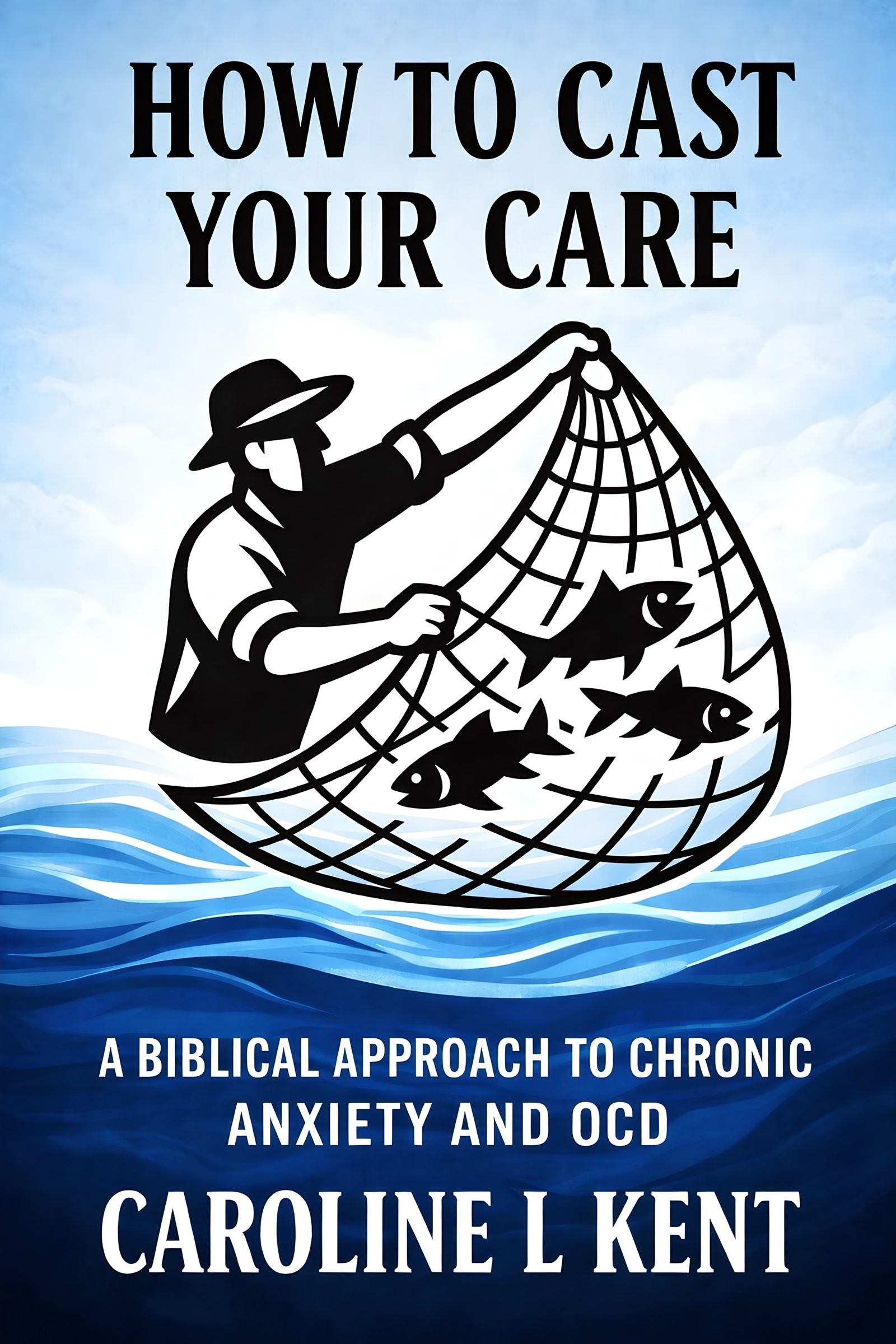
Biblical help for chronic anxiety, intrusive thoughts, OCD, and scrupulosity.
View book →
Helping young people think clearly about science, faith, truth, and the Christian worldview.
View book →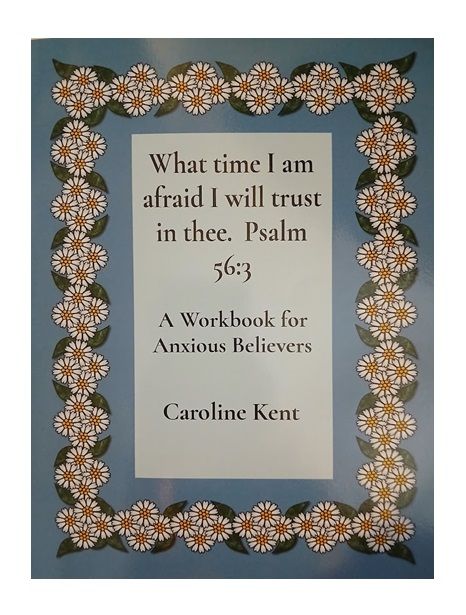
A gentle biblical workbook for anxious believers, with Scripture, reflection, and prayerful trust.
View workbook →